
Marine Powder Coating
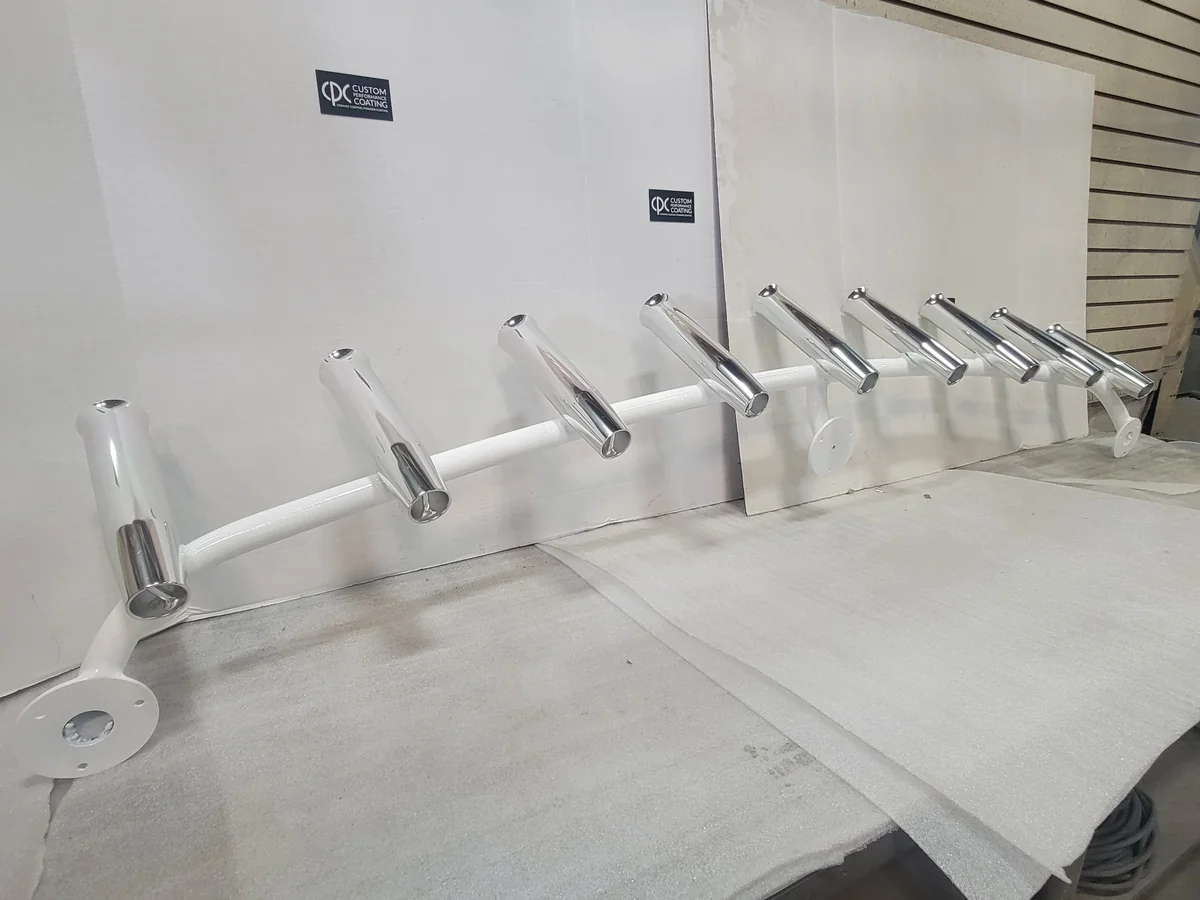
Marine Powder Coating Services
Boats, docks, and waterfront equipment are constantly exposed to conditions that can damage metal surfaces. Moisture, salt, sunlight, and changing temperatures can gradually weaken protective finishes. Once corrosion begins, it can spread beneath damaged coatings and affect the appearance and condition of metal components.
Marine powder coating offers a protective finishing option for suitable metal parts used in boating and waterfront environments. Custom Performance Coating provides powder coating and metal surface preparation services for customers in Maryland and the Baltimore/Washington, DC area. Our services can help restore worn finishes and protect compatible metal components from environmental exposure.
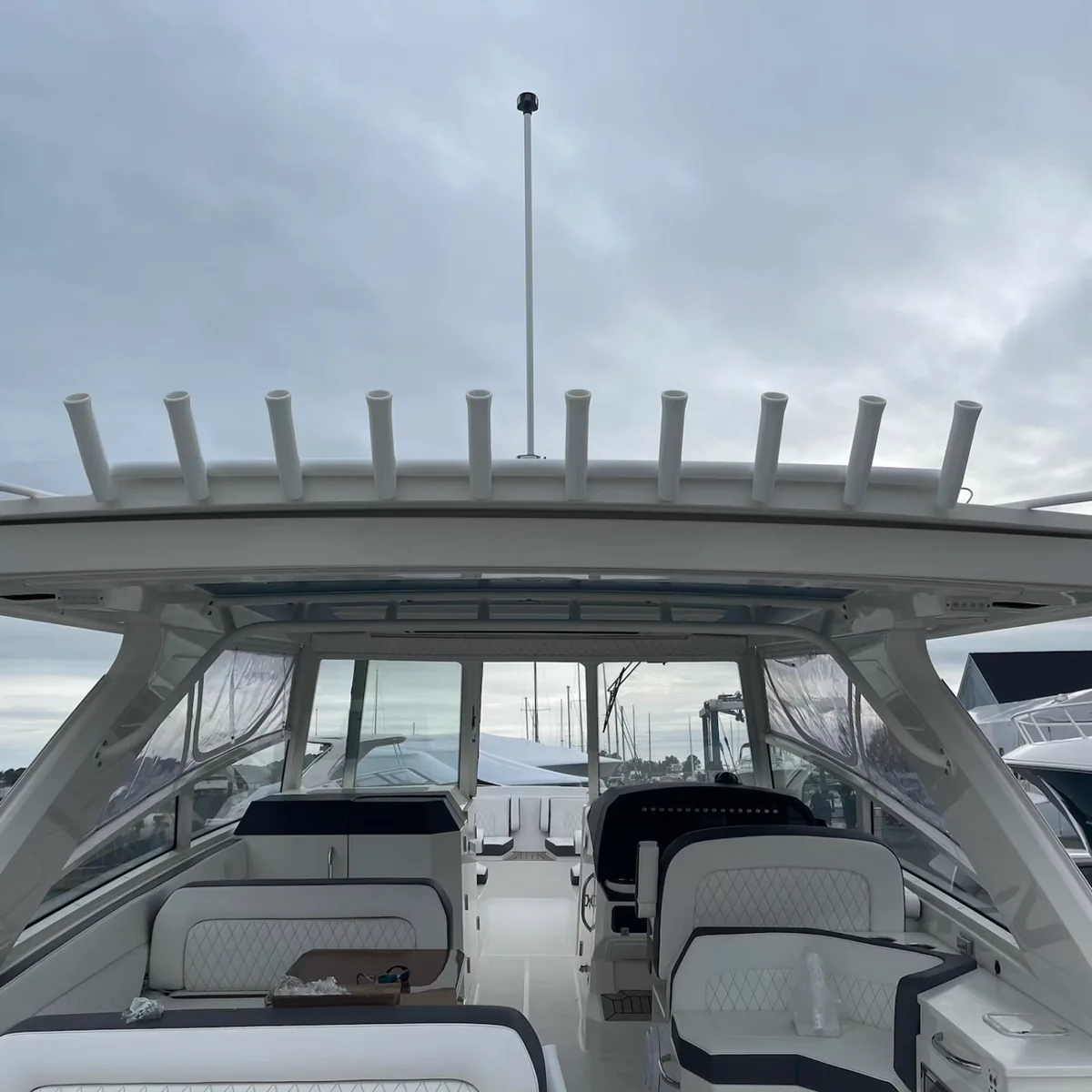
Why Marine Environments Require Special Coating Considerations
Metal components used around water face challenges that differ from those encountered in most indoor or dry environments. High humidity, frequent condensation, and direct contact with water can accelerate surface deterioration. Saltwater exposure creates additional concerns because dissolved salts increase the risk of corrosion.
Freshwater environments can also damage unprotected metal. Boats and equipment used on lakes and rivers regularly encounter moisture, changing temperatures, and airborne contaminants. Components may remain damp for extended periods, especially around joints, fasteners, and recessed surfaces.
Powder coating can provide a protective barrier that limits direct exposure between the metal and its surroundings. However, not every formulation offers the same resistance to moisture, corrosion, and ultraviolet light. The coating must be appropriate for the material and the conditions it will encounter.
- 01
Powder Coating for Boat Hardware and Accessories
Boats contain numerous metal components that serve both practical and decorative purposes. Handrails, brackets, mounting plates, and other removable accessories may be exposed to water spray, sunlight, and frequent handling. These conditions can gradually wear down existing finishes and leave vulnerable areas exposed.
Powder coating may be suitable for certain aluminum and steel boat components. A compatible finish can help protect the metal while maintaining a consistent appearance across the vessel.
Marine hardware often includes threaded connections, mounting points, and contact surfaces that require special attention during finishing. Some areas may need masking to preserve proper fit or electrical continuity. Parts containing plastic, rubber, or other heat-sensitive materials may also require disassembly before coating.
Because marine components vary in construction and function, their suitability should be evaluated individually. Hardware used for critical safety or load-bearing purposes may have additional requirements that affect coating selection.
- 02
Finishing Metal Components for Boat Restoration
Restoring an older boat often involves more than repairing the hull or replacing worn equipment. Metal accessories can develop years of oxidation, scratches, and deteriorating finishes. Even small components may affect the overall appearance of a completed restoration.
Powder coating can be considered for compatible removable parts that remain structurally sound. Refinishing selected brackets, covers, and metal accessories may help create a more consistent appearance without replacing every component.
Older parts often require additional preparation. Previous coatings, corrosion, and accumulated surface contaminants must be evaluated before a new finish is applied. Some components may also have damage that makes replacement more appropriate than refinishing.
The original material and intended use should guide the decision. A coating that works well on a decorative accessory may not be suitable for hardware exposed to heavy mechanical loads or continuous water contact.
- 03
Marine Powder Coating for Dockside Equipment
Waterfront properties contain many metal items that face similar conditions to those found aboard boats. Dock accessories, mounting brackets, removable equipment covers, and certain metal fixtures may remain exposed to moisture and sunlight throughout the boating season.
Powder coating provides a finishing option for compatible components used around marinas, docks, and other waterfront facilities. A properly selected coating can help protect surfaces against environmental exposure while providing a clean, consistent appearance.
These applications often involve different levels of moisture exposure. A covered piece of equipment may encounter humidity and occasional splashing, while a bracket near the waterline may remain wet for long periods.
That distinction matters when selecting a coating. Components that remain submerged or experience continuous water contact may require specialized protective systems rather than conventional powder coating.
Understanding Corrosion in Saltwater Environments
Saltwater presents a particular challenge because it can accelerate corrosion on many common metals. When a protective finish is scratched or damaged, moisture and salts may reach the underlying surface. Corrosion can then develop beneath the coating and cause blistering, lifting, or peeling.
Marine assemblies may also contain dissimilar metals connected by fasteners or mounting hardware. In the presence of an electrolyte such as saltwater, this combination can contribute to galvanic corrosion. The risk depends on the metals involved, their contact, and the surrounding conditions.
Powder coating can help isolate compatible metal surfaces, but it does not eliminate every source of corrosion. Proper material selection, component design, installation practices, and maintenance remain important.
Marine projects should therefore be evaluated based on their exposure conditions. A finish suitable for occasional freshwater spray may not offer sufficient protection for prolonged saltwater exposure.
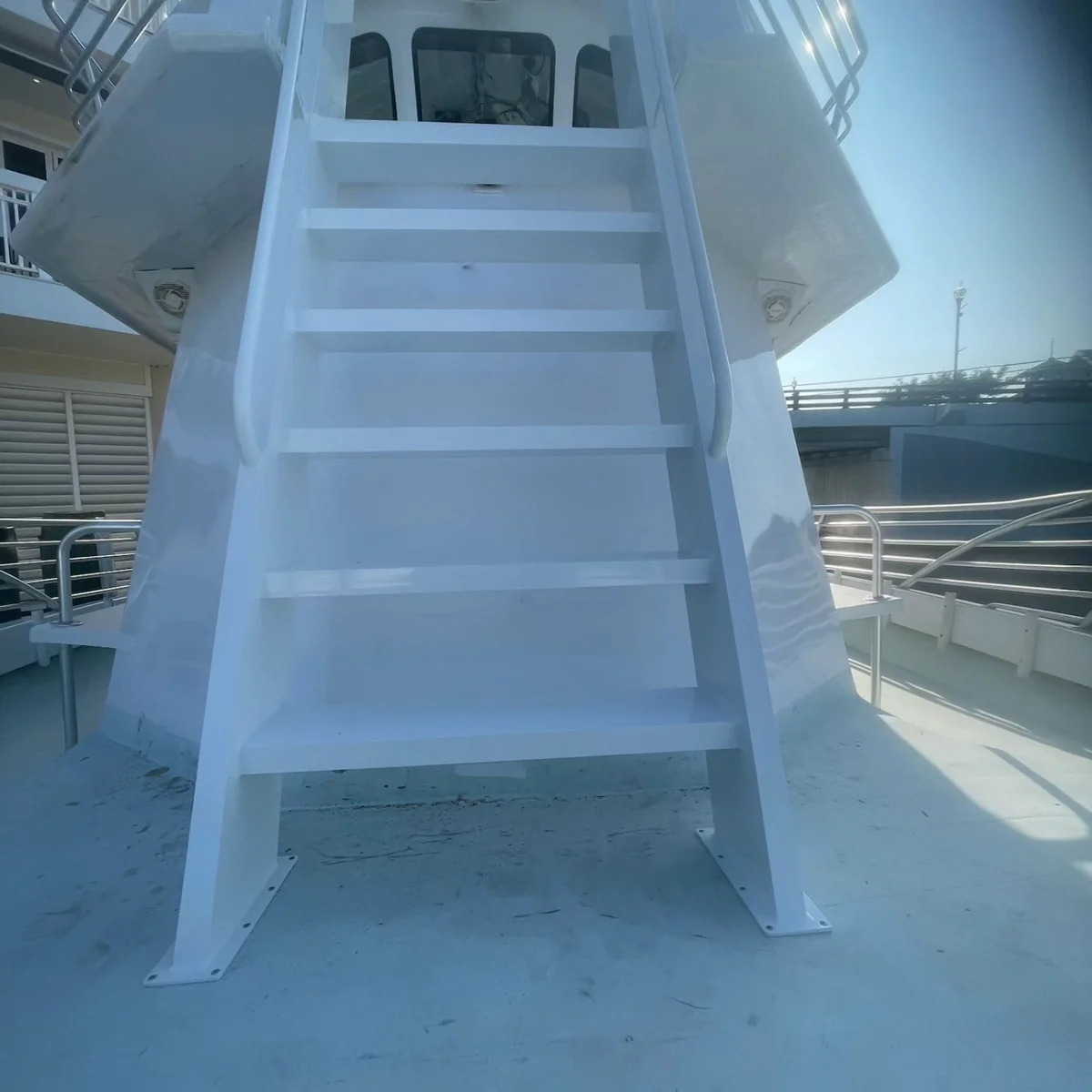
Choosing a Powder Coating for Marine Applications
Selecting a finish for marine use involves more than choosing a color or gloss level. The metal substrate, expected water exposure, sunlight, and operating conditions all influence coating performance.
Powder coatings are available in different formulations, including products developed for greater outdoor durability and corrosion resistance. Some applications may also require specialized primers or pretreatment systems. The appropriate combination depends on the environment and the manufacturer’s recommendations.
Appearance remains an important consideration, particularly for visible boat accessories and custom components. A consistent finish can complement the vessel’s design while helping protect exposed surfaces.
However, no coating should be assumed suitable for permanent immersion simply because it performs well outdoors. Components exposed to continuous water contact require careful evaluation and may need an alternative coating system.
Preparing Marine Metalwork for a Lasting Finish
Marine metal components often accumulate corrosion, mineral deposits, oils, and deteriorating finishes. These contaminants can interfere with adhesion and reduce the effectiveness of a new coating. Thorough preparation is especially important when parts have been exposed to saltwater.
The preparation process depends on the metal and its existing condition. Previously coated parts may require removal of damaged finishes, while oxidized surfaces may need cleaning or additional treatment before coating.
To prepare marine metal components for refinishing, Custom Performance Coating uses media blasting or a three-stage wash to remove surface contaminants. Old coatings can also be removed when necessary, helping establish a clean foundation for the new finish.
Marine components should also be inspected for corrosion around seams, fasteners, and recessed areas. Damage in these locations may affect the suitability of the part for recoating.
Maintaining Powder-Coated Marine Components
Even a properly selected marine coating requires routine care. Salt deposits, dirt, and other contaminants can accumulate on exposed surfaces, especially when equipment is used frequently or stored near the water.
Gentle cleaning with fresh water and suitable cleaning products can help remove surface contaminants. Abrasive cleaning methods and harsh chemicals may damage the finish, so maintenance should follow the coating manufacturer’s recommendations.
Regular inspections are also important. Scratches, chips, and other damage can expose the underlying metal to moisture. Addressing these areas promptly can help limit corrosion and prevent more extensive deterioration.
Proper storage and maintenance can support the performance of coated marine components. They are particularly important for accessories exposed to seasonal weather or stored outdoors year-round.
Protect Your Marine Metalwork
Marine environments can be demanding on metal components, but the right protective finish can help reduce surface deterioration. Powder coating may be a practical option for suitable boat accessories, removable hardware, and dockside equipment.
Custom Performance Coating serves customers in Maryland and the Baltimore/Washington, DC region. Our services include powder coating, ceramic coating, media blasting, and removal of existing finishes.
Have marine metal components that need refinishing? Contact Custom Performance Coating to discuss your project. We can review the condition of your parts, their intended use, and the available finishing options to determine whether powder coating is appropriate.