
Industrial Powder Coating
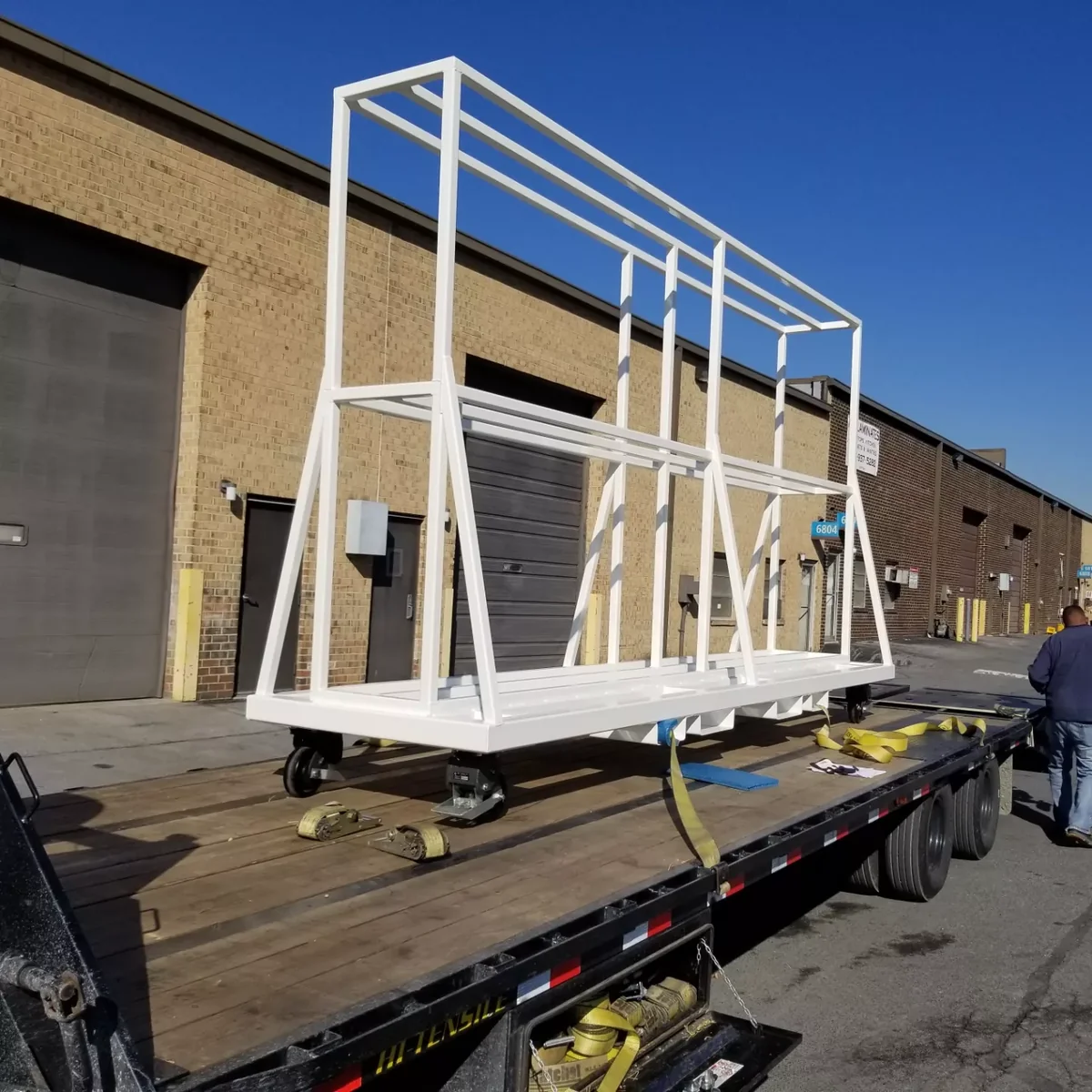
Industrial Powder Coating Services in Maryland
Industrial equipment and metal components are routinely subjected to conditions that can compromise their surfaces over time. Abrasion, moisture, frequent handling, and exposure to manufacturing environments can gradually wear away protective finishes, leaving metal vulnerable to corrosion and deterioration. For manufacturers, fabricators, and businesses that depend on metal equipment, selecting an appropriate protective coating is an important part of maintaining component durability.
Industrial powder coating provides a durable finishing solution for fabricated metal parts, structural components, machinery, and equipment surfaces. Custom Performance Coating works with manufacturers, fabrication and welding shops, and other businesses in Maryland and the greater Baltimore/Washington, DC area. Our services help protect suitable metal components used in industrial operations, construction, and fabrication projects.
The Role of Powder Coating in Industrial Applications
Industrial coatings often serve a different purpose than finishes applied primarily for decorative appearance. While consistency and appearance remain important, the emphasis is frequently on protecting metal surfaces against conditions encountered during manufacturing, transportation, installation, and everyday operation.
Powder coating forms a continuous protective layer that can help reduce direct exposure to moisture, abrasion, and other sources of surface deterioration. When the appropriate coating is selected and properly applied, it can provide resistance to scratching, chipping, and corrosion while maintaining a consistent finish across complex metal components.
The performance requirements of industrial parts vary considerably. A component installed indoors in a controlled environment may have different coating needs than equipment exposed to outdoor weather, frequent cleaning, or mechanical contact. Evaluating these conditions helps determine whether powder coating is suitable and which formulation may be appropriate.
- 01
Powder Coating for Fabricated Metal Components
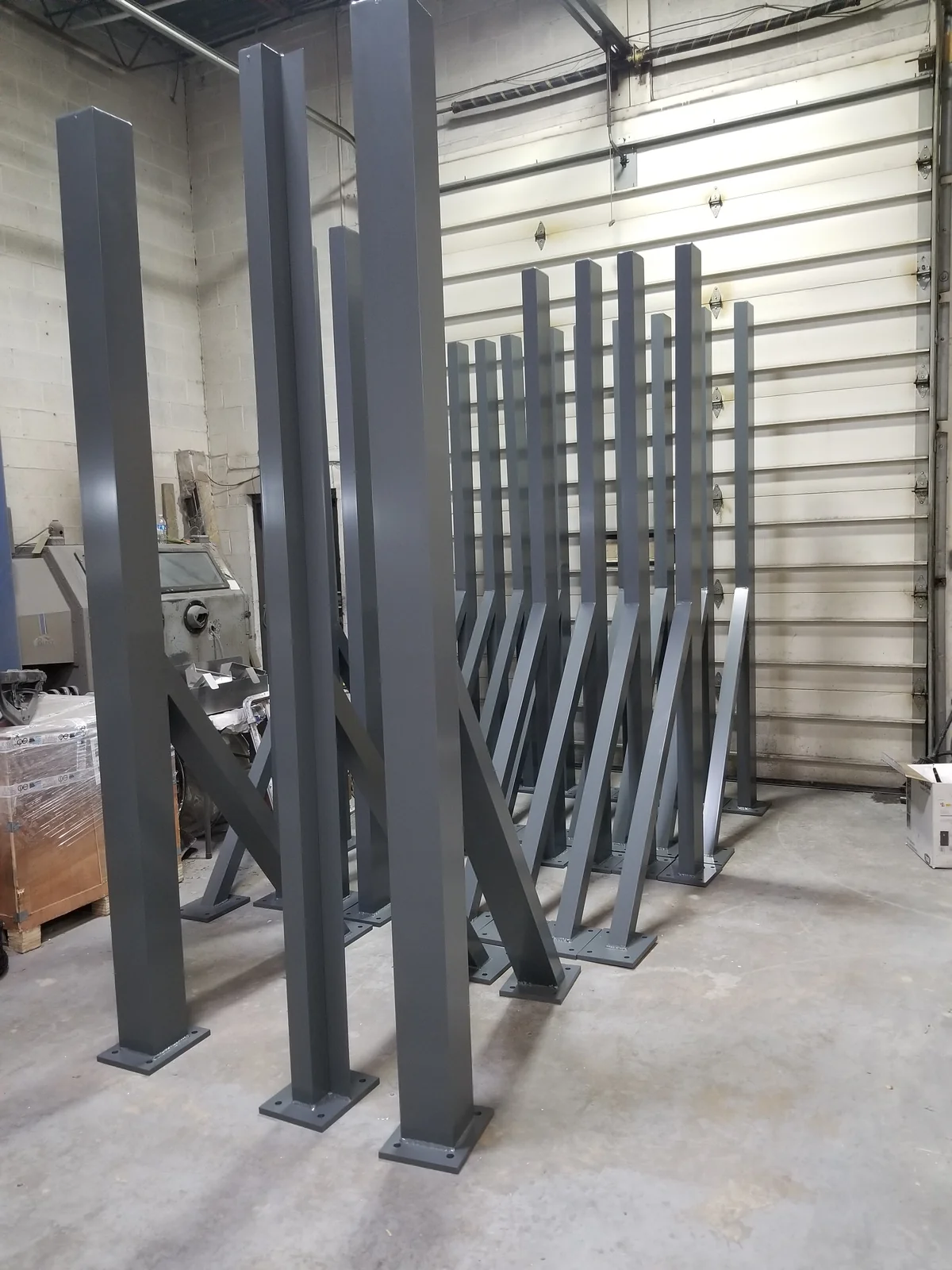
Metal fabrication and welding shops produce components for construction, machinery, equipment, and structural applications. Once fabrication is complete, many of these parts require a protective finish before installation or use. Powder coating can help protect suitable metal surfaces while providing a consistent appearance across fabricated assemblies.
Custom Performance Coating works with a variety of fabricated metalwork, including structural components, pavilion beams, brackets, and equipment supports. These parts may be exposed to moisture, outdoor weather, or demanding operating conditions. The appropriate finish depends on the metal, component dimensions, and intended environment.
Fabricated parts may have welds, edges, openings, and recessed areas that require attention during coating preparation and application. Their geometry, material thickness, and overall dimensions can influence how a coating is applied and cured.
For fabricators preparing components for installation or delivery, identifying finishing requirements early in the project can help ensure that the parts are designed and prepared with the coating process in mind.
- 02
Protective Finishes for Machinery and Equipment Components
Manufacturing facilities and industrial operations rely on machinery with metal surfaces exposed to regular handling, vibration, cleaning, and contact with other materials. Over time, these conditions can contribute to scratches, chipped finishes, and corrosion, particularly when equipment operates in environments where moisture or contaminants are present.
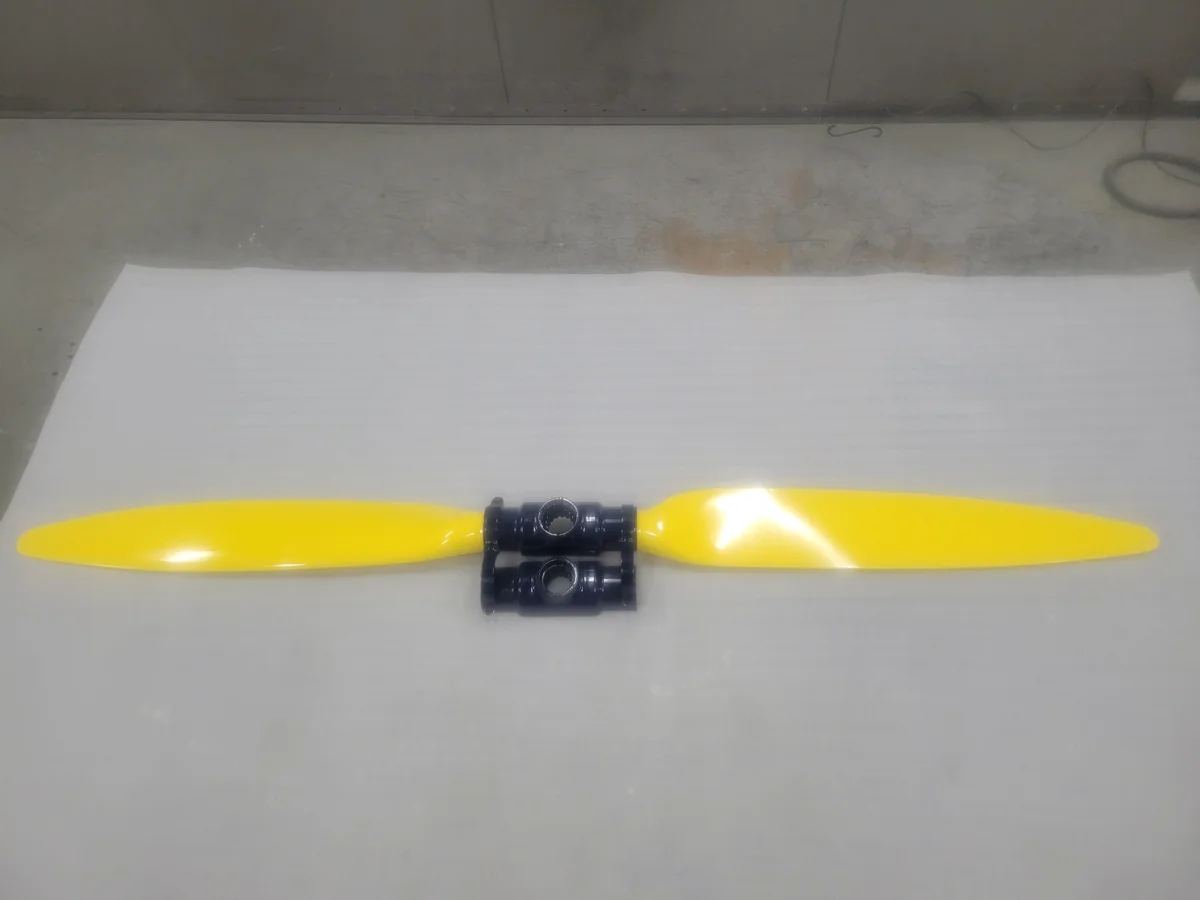
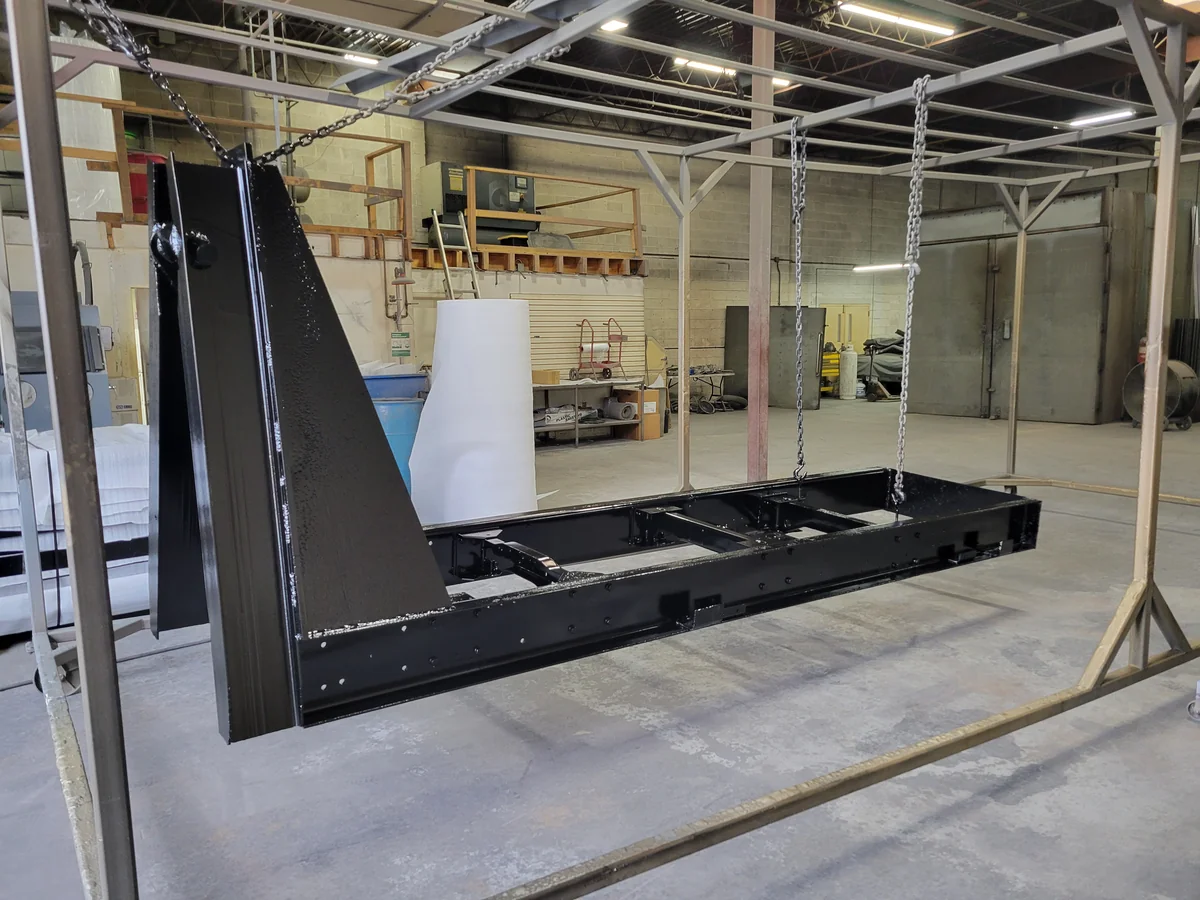
Powder coating can be used on suitable machinery guards, frames, covers, panels, and equipment housings. In addition to protecting metal surfaces, a consistent finish can help distinguish different pieces of equipment or coordinate components within a larger assembly.
Not every machinery component is a candidate for powder coating. Precision mating surfaces, threaded areas, moving parts, and components with strict dimensional tolerances may require masking or alternative finishing methods. Equipment that operates at elevated temperatures or encounters specialized chemical exposure may also require coatings selected for those particular conditions.
Assessing the component’s intended function is essential to determining where a powder-coated finish can be used without interfering with its operation.
- 03
Corrosion Resistance in Industrial Environments
Corrosion is a significant concern for industrial metal components, particularly those exposed to humidity, condensation, outdoor conditions, or other sources of moisture. As corrosion develops, it can damage surface finishes, affect appearance, and eventually contribute to deterioration of the underlying metal.
Appropriately selected powder coatings can help protect susceptible metal surfaces by creating a barrier between the substrate and its surrounding environment. However, corrosion resistance depends on several factors, including the metal being coated, surface preparation, coating chemistry, and exposure conditions.
Industrial environments are not all alike. Equipment used in a warehouse may encounter relatively mild conditions, while components installed outdoors or in moisture-prone facilities may require greater environmental resistance. Some applications may also involve chemicals or cleaning agents that affect coating selection.
Understanding the conditions a part will experience helps identify whether powder coating offers an appropriate level of protection or whether a more specialized finishing system should be considered.
- 04
Powder Coating for Fabricated Metal Components
Industrial powder coating can be considered at different stages of a component’s service life. Newly fabricated metal parts often require a protective finish before being assembled into equipment or installed at their final location. Applying a suitable coating at this stage can provide surface protection before the components are exposed to operating conditions.
Existing equipment may also benefit from refinishing when its protective coating has deteriorated but the underlying metal remains serviceable. Covers, removable panels, brackets, and other accessible components may be candidates for recoating after the existing finish and surface contaminants have been addressed.
However, refinishing is not always practical. Components with extensive corrosion, structural damage, or specialized operating requirements may need repairs, replacement, or a different protective treatment.
Considering the age, condition, and function of each part helps determine whether applying a new powder-coated finish is a reasonable option.
Surface Preparation for Industrial Powder Coating
Industrial metal components can arrive with manufacturing residue, oils, oxidation, mill scale, previous coatings, or other contaminants that must be addressed before finishing. These materials can interfere with coating adhesion and contribute to premature surface deterioration if they remain beneath the new finish.
Preparation requirements vary according to the type of metal, its condition, and the coating being applied. Previously used equipment components may require removal of deteriorating finishes or corrosion, while newly fabricated parts may need cleaning and treatment to establish a suitable coating surface.
Custom Performance Coating prepares industrial metal components using either media blasting or a three-stage wash. These methods help remove contaminants and provide a clean surface for coating. Existing coatings can also be removed when refinishing machinery parts, fabricated components, or other industrial metalwork.
Surface preparation also provides an opportunity to identify defects, damage, or other conditions that may affect the finished component.
Selecting a Powder Coating for Industrial Use
Industrial powder coatings are available in different formulations, each with characteristics suited to particular applications. Factors such as abrasion resistance, corrosion protection, weather exposure, and chemical compatibility may influence which coating is appropriate for a given component.
The metal substrate and physical design of the part are equally important. Some components contain heat-sensitive materials or assemblies that cannot tolerate conventional powder coating curing temperatures. Others have dimensional requirements or functional surfaces that need to remain free of coating.
For parts exposed to unusually high heat, standard powder coating may not be suitable. These applications may require an alternative finish, such as a specialized high-temperature coating, depending on the temperature range and operating environment.
Evaluating the component’s material, intended use, and exposure conditions helps establish realistic expectations for coating performance and durability.
Protect Your Industrial Metal Components
Fabricated structural components, machinery guards, equipment housings, and other industrial metal parts require finishes suited to their operating conditions. Properly selected powder coating can help protect these surfaces against corrosion, wear, and environmental exposure.
Custom Performance Coating serves manufacturers, fabricators, and industrial businesses throughout Maryland and the Baltimore/Washington, DC region. Our services include powder coating, ceramic coating, media blasting, and removal of existing finishes.
If you have newly fabricated parts that need coating or existing equipment components that could benefit from refinishing, contact us to discuss your industrial powder coating needs. We can review your project and help determine an appropriate finishing approach for the metal components involved.