
Automotive Powder Coating
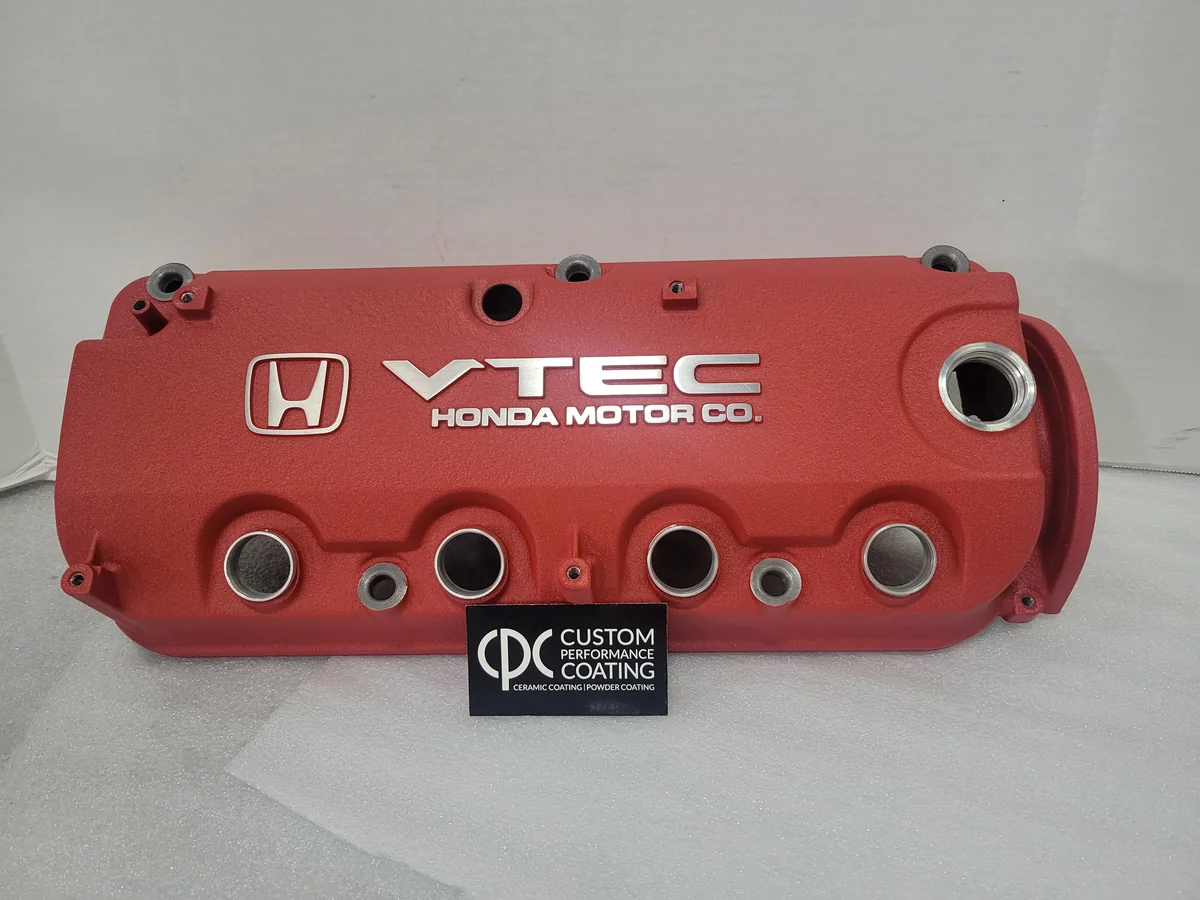
Automotive Powder Coating Services in Maryland
Automotive components face constant exposure to road debris, moisture, dirt, and changing weather conditions. Over time, these elements can damage protective finishes and leave metal parts vulnerable to corrosion. Scratches, chipped paint, and worn surfaces can also detract from a vehicle’s appearance, even when the underlying components remain in good condition.
Automotive powder coating provides a finishing option for suitable metal parts used in vehicle restoration, customization, and maintenance projects. Custom Performance Coating serves customers in Maryland and the greater Baltimore/Washington, DC area. Our powder coating and surface preparation services help vehicle owners refresh worn components and protect compatible metal surfaces.
- Why Choose Powder Coating
Why Choose Powder Coating for Automotive Parts?
Many automotive components must withstand conditions that can quickly wear down conventional finishes. Road salt, moisture, gravel, and everyday driving expose metal surfaces to repeated contact and environmental stress. Parts located underneath a vehicle may be especially vulnerable to corrosion and surface deterioration.
Powder coating creates a protective finish that can offer resistance to chipping, scratching, abrasion, and moisture. Unlike conventional liquid paint, powder is applied electrostatically and cured with heat. The result is a continuous coating designed to adhere to properly prepared metal surfaces.
Appearance is another advantage. Powder coatings are manufactured in a variety of colors, textures, and gloss levels. This gives vehicle owners options when restoring original components or creating a coordinated look for a custom build.
The appropriate coating depends on the metal, operating environment, and intended function of each part. Not every automotive component is suitable for powder coating, particularly those exposed to extreme heat or requiring precise dimensional tolerances.
- 01
Automotive Wheel Powder Coating
Wheels are among the most visible components of a vehicle. They also encounter some of the harshest everyday conditions, including road debris, moisture, brake dust, and exposure to road treatments during winter.
Powder coating is used in the automotive industry to finish certain steel and aluminum wheels. It can provide a consistent appearance while helping protect compatible metal surfaces against environmental exposure.
For vehicle owners interested in changing the appearance of their wheels, the available finish can be an important consideration. Different colors and textures may complement a vehicle’s body color, trim, or other exterior details.
However, wheel construction and material properties must be evaluated carefully before refinishing. Some alloy wheels may be adversely affected by the heat required for curing, particularly when undergoing additional finishing cycles. Existing damage, previous repairs, and manufacturer restrictions can also affect suitability.
Wheel refinishing should never compromise structural integrity. Confirming that the material and manufacturing specifications permit the intended coating process is an essential first step.
- 02
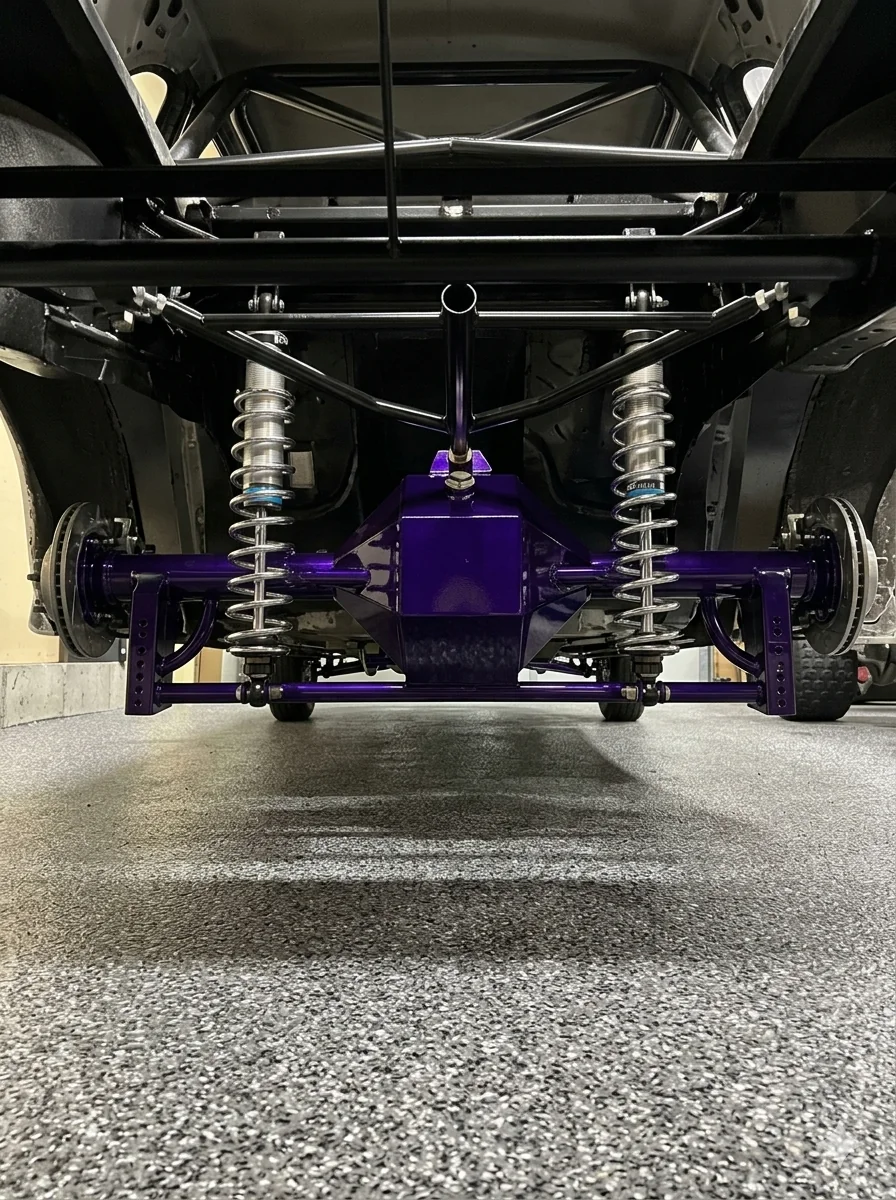
Powder Coating for Suspension Components
Suspension systems include numerous metal parts that operate close to the road surface. These components may encounter water, mud, road salt, and debris during normal driving. As protective finishes deteriorate, exposed metal can develop corrosion that affects its appearance and long-term condition.
Suitable suspension brackets, control arms, and other removable metal components may be considered for powder coating. A properly selected finish can provide a protective barrier against moisture and everyday environmental exposure.
Suspension components require special consideration because they perform important mechanical and safety functions. Bushings, bearings, ball joints, and other heat-sensitive materials may need removal before coating. Certain mounting surfaces and connection points must also remain free of coating.
The suitability of each component depends on its construction, material, condition, and manufacturer requirements. Powder coating should not be used to conceal cracks, structural damage, or other defects that require repair or replacement.
- 03
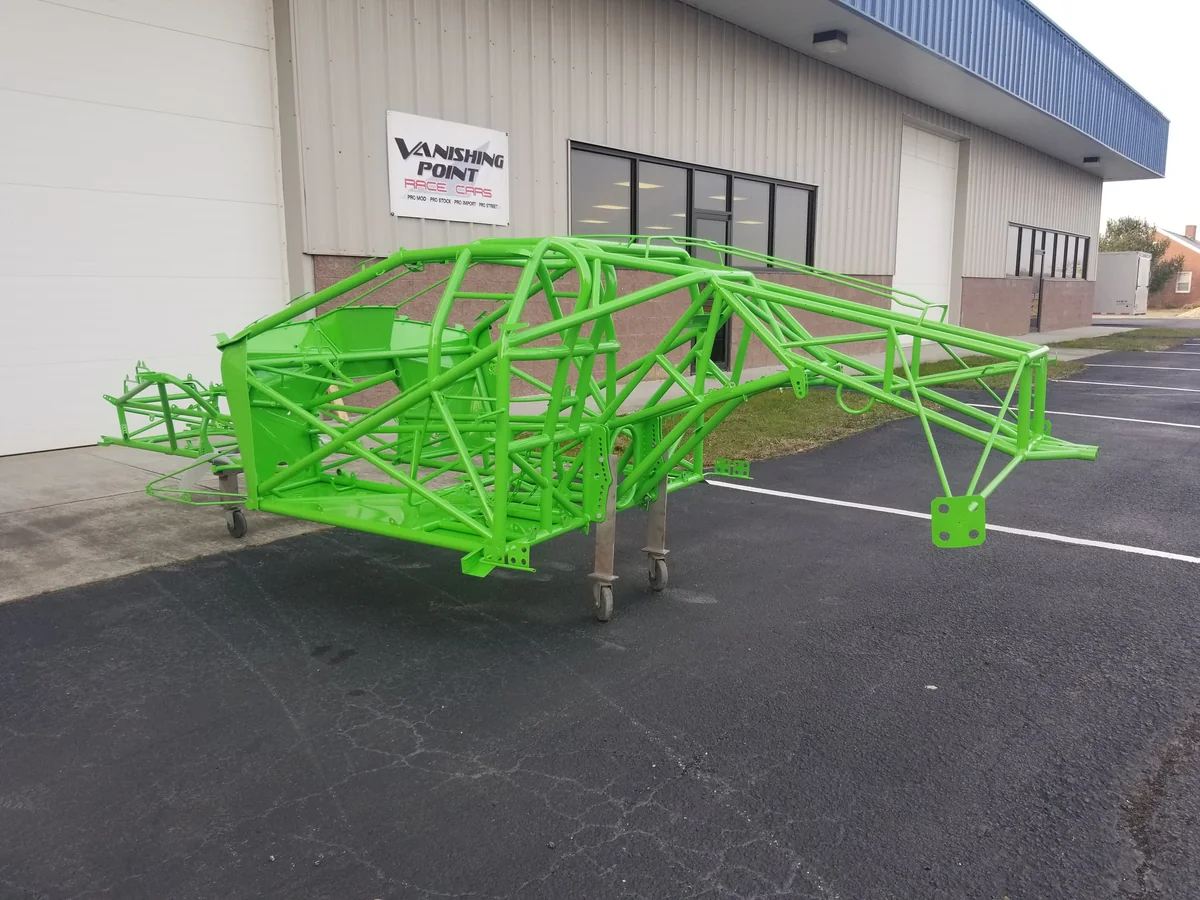
Automotive Brackets, Frames, and Metal Accessories
Vehicles contain a wide range of smaller metal components that can accumulate scratches, rust, and surface wear. Mounting brackets, support pieces, battery trays, and other suitable accessories may be candidates for refinishing during maintenance or restoration work.
These parts often have practical roles that make surface protection important. Brackets and supports may be exposed to moisture or contaminants, while accessories located within visible areas of a vehicle can influence its finished appearance.
Powder coating offers a way to create a consistent finish across compatible metal components. This can be useful when restoring an engine compartment, refreshing underbody parts, or coordinating accessories for a custom vehicle.
Some automotive components have electrical grounding requirements, threaded connections, or close-fitting surfaces that must remain uncoated. Identifying these areas before finishing helps preserve their intended function.
- 04
Powder Coating for Classic Car Restoration
Restoring a classic vehicle often involves addressing decades of wear, corrosion, and previous repairs. Original metal components may have accumulated layers of paint or developed surface rust, even when they remain structurally sound.
Powder coating can be considered for compatible parts during a restoration project. Brackets, trays, supports, and selected accessories may benefit from refinishing after their existing coatings and contaminants have been removed.
For restorations that prioritize a particular appearance, finish selection deserves careful attention. Powder coating may offer a uniform result, but it will not always duplicate the exact texture or appearance of an original factory finish.
The decision also depends on the restoration’s goals. Some owners prefer modern protective finishes, while others seek historically accurate materials and appearance. Evaluating each component helps determine which approach makes the most sense for the finished vehicle.
- 05
Custom Automotive Builds and Aftermarket Components
Custom vehicles often feature modified or replacement parts that contribute to their overall design. Powder coating can be considered for suitable aftermarket brackets, supports, metal accessories, and fabricated components.
A coordinated finish can help bring together parts manufactured by different suppliers. It may also provide a more consistent appearance when custom-fabricated pieces are incorporated into a larger build.
Planning ahead is particularly useful for these projects. Components should be evaluated before assembly to identify areas that require masking, surfaces that must maintain precise dimensions, and materials that cannot tolerate curing temperatures.
Powder coating is not appropriate for every aftermarket component. The part’s intended function and operating conditions should guide the choice of finish rather than appearance alone.
Automotive Powder Coating vs. High-Temperature Exhaust Coating
- Although powder coating is suitable for many automotive applications, conventional formulations are not designed for the extreme heat generated by exhaust systems
- Headers, exhaust manifolds, and other high-temperature components require finishes formulated for those operating conditions. Standard powder coatings may deteriorate when exposed to temperatures beyond their intended limits.
- Custom Performance Coating also provides high-temperature ceramic coating services for compatible exhaust components. These specialized coatings are developed for applications involving elevated temperatures and repeated thermal cycling.
- Understanding the difference helps vehicle owners select a suitable finishing method for each part of a restoration or customization project.
Preparing Automotive Components for Powder Coating
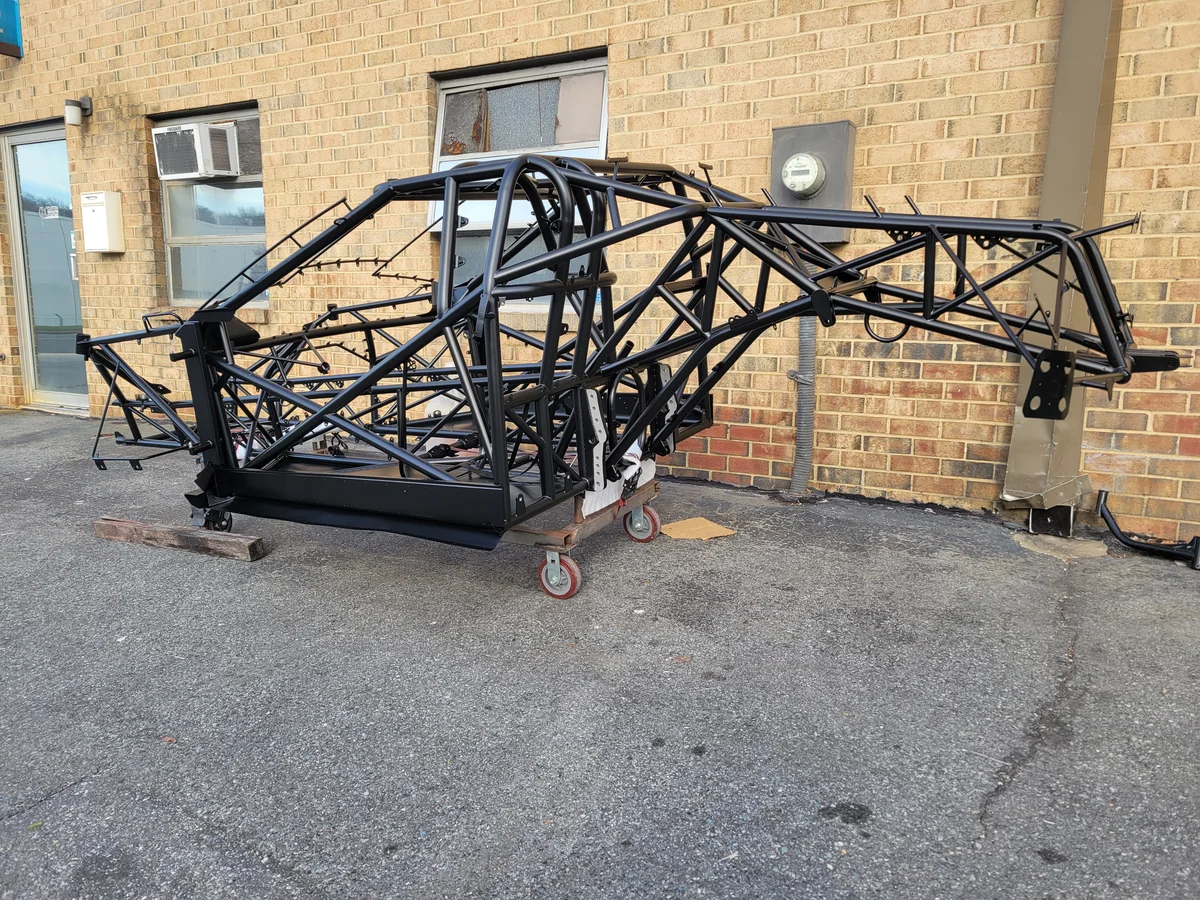
Surface preparation plays an important role in the appearance and durability of a powder-coated finish. Automotive parts frequently arrive with grease, road grime, corrosion, or deteriorating paint that must be addressed before coating.
Existing finishes may need removal before automotive components can be recoated. Custom Performance Coating uses either media blasting or a three-stage wash to remove contaminants and prepare metal surfaces for powder coating. Old-coating removal is also available for parts that require refinishing
Parts containing rubber, plastic, seals, bearings, or other heat-sensitive materials may require disassembly before coating. Threaded openings, mounting surfaces, and precision-fit areas may also need protection during the finishing process.
Reviewing the condition and construction of each component helps identify preparation requirements and determine whether powder coating is appropriate.
Give Your Automotive Metal Components a New Finish
A fresh protective finish can make a noticeable difference during a vehicle restoration or customization project. Properly selected powder coating can help protect compatible metal parts while creating a clean, consistent appearance.
Custom Performance Coating provides automotive powder coating, ceramic coating, media blasting, and metal refinishing services in Maryland and the Baltimore/Washington, DC region.
If you have automotive wheels, brackets, suspension parts, or other metal components that need refinishing, contact us to discuss your project. We can review the parts involved and help determine an appropriate finishing solution.