
Architectural Powder Coating
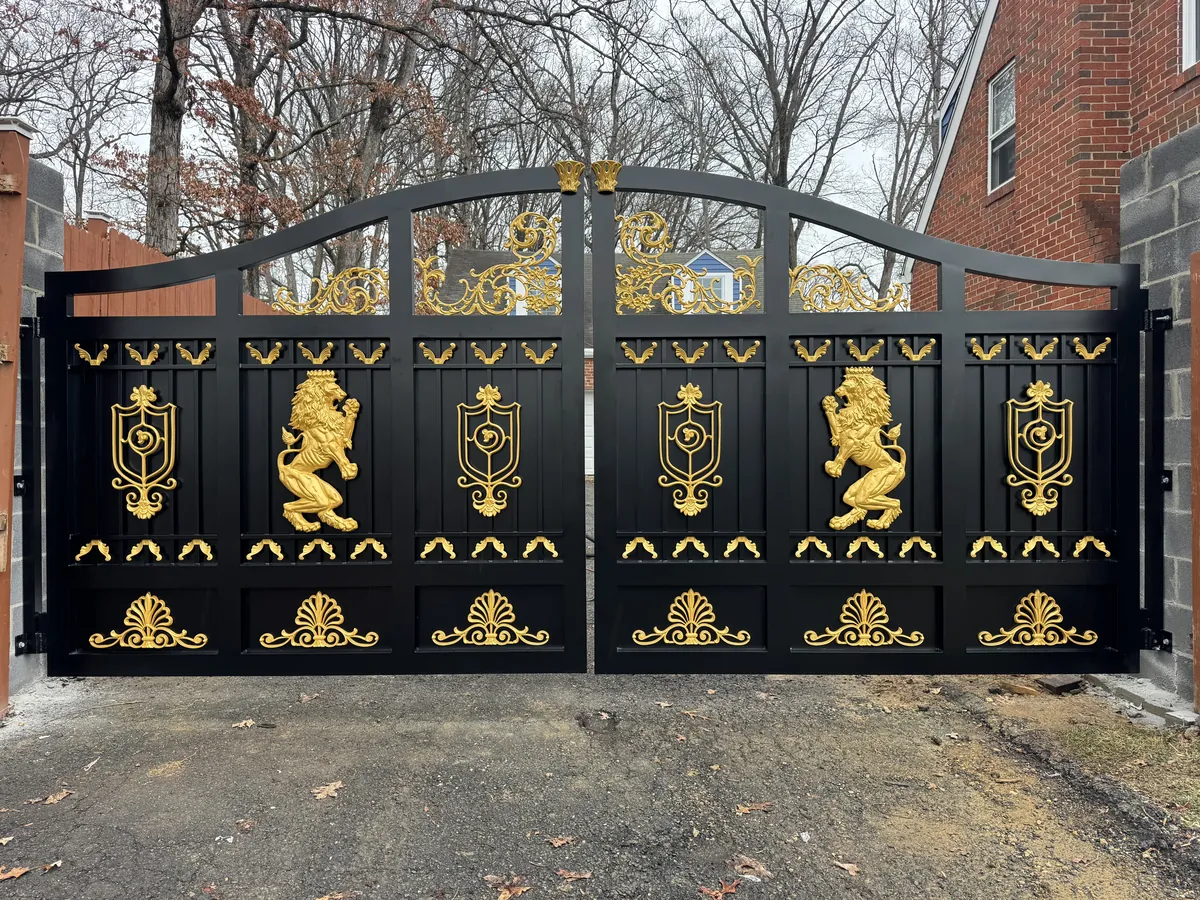
Architectural Powder Coating Services in Maryland
Metal plays an important role in modern building design, providing both structural functionality and visual appeal. From decorative exterior panels and window frames to railings, entrances, and custom-fabricated features, architectural metalwork contributes to a building’s character while serving practical purposes. These components often remain exposed for years, making the selection of an appropriate protective finish an important consideration during construction and renovation.
Architectural powder coating provides a finishing option for metal components used in residential, commercial, and public buildings. Custom Performance Coating works with customers in Maryland and the greater Baltimore/Washington, DC area, providing protective and decorative finishes for suitable architectural metalwork, including railings and fabricated building components.
- 01
Powder Coating for Architectural Metalwork
Architectural coatings must often satisfy two objectives: maintaining the intended appearance of a building and protecting metal surfaces from environmental exposure. Unlike equipment or furnishings that can be easily replaced, many architectural components are integrated into a structure and may be difficult or costly to remove after installation.
Powder coating creates a continuous finish that can provide resistance to corrosion, abrasion, and weather-related deterioration when an appropriate formulation is selected. It is used on a variety of architectural metals, including suitable steel and aluminum components.
The process also offers considerable design flexibility. Powder coatings are manufactured in numerous colors, textures, and gloss levels, allowing designers and property owners to select finishes that complement building materials and architectural styles.
For projects involving several metal elements, consistency of appearance is particularly important. Coordinating finishes across railings, panels, trim, and other components can contribute to a cohesive design.
- 02
Powder Coating for Architectural Railings and Balustrades
Railings and balustrades are prominent architectural features in stairways, balconies, walkways, and building entrances. In addition to providing necessary support and protection, they influence the visual appearance of both interior and exterior spaces.
Metal railings are frequently touched and may be subjected to scratches, moisture, and weather exposure. Powder coating provides a protective finish that can help preserve their appearance while offering resistance to everyday wear.
Architectural railing systems range from simple, functional designs to elaborate decorative metalwork. The selected finish should complement the building while accounting for the intended installation environment.
For exterior balconies and other exposed locations, weather resistance becomes especially important. Coating selection should consider the metal substrate, surrounding environmental conditions, and the level of protection required.
- 03
Exterior Metal Panels and Building Features
Architectural metal panels are frequently used to create distinctive building exteriors. They may serve as decorative accents, conceal portions of a structure, or form part of larger facade systems. Their finishes contribute to the building’s appearance and must often tolerate prolonged exposure to sunlight, rain, wind, and temperature changes.
Powder coating is commonly used to finish suitable aluminum and steel architectural panels, offering a uniform appearance and protective surface. Depending on the coating selected, specialized formulations can provide enhanced resistance to fading, chalking, and other effects of outdoor exposure.
Metal column covers, pavilion beams, decorative screens, and exterior trim are examples of building components that may benefit from powder coating. These features often contribute to the overall architectural design while requiring finishes suited to their exposure conditions.
These applications require careful consideration of component size, material, construction, and installation requirements. The suitability of individual pieces must be evaluated before determining whether conventional powder coating is appropriate.
- 04
Window Frames, Door Frames, and Building Entrances
Windows and entrances are significant elements of a building’s architectural appearance. Metal frames, surrounds, and related components help establish the overall design while providing functional support for doors, windows, and glazing systems.
Powder coating is widely used in the architectural finishing industry for suitable aluminum window frames, door frames, and associated metal components. The finish can help protect exposed surfaces while providing a consistent appearance that complements surrounding building materials.
Exterior entrance components may face frequent handling and exposure to changing weather conditions, making the durability of the selected finish an important consideration.
Some frame assemblies contain seals, gaskets, thermal breaks, or other materials that cannot withstand conventional powder coating temperatures. Such components generally require coating before final assembly or a different finishing approach.
- 05
Decorative Metalwork and Custom Architectural Features
Architectural powder coating is not limited to standard building components. Custom metalwork can introduce distinctive shapes, patterns, and details that contribute to the character of a property.
Decorative screens, ornamental panels, metal grilles, and fabricated architectural accents are examples of features where the finish becomes an important part of the design. Powder coating can provide a uniform appearance across suitable components while offering protection against surface wear.
Custom-fabricated metal elements may include intricate patterns, welded connections, recessed areas, and other details that influence coating application. The geometry of a component can affect how evenly powder is deposited and whether certain areas require additional attention.
Planning the finish alongside fabrication can help identify potential coating challenges before the completed components are installed.
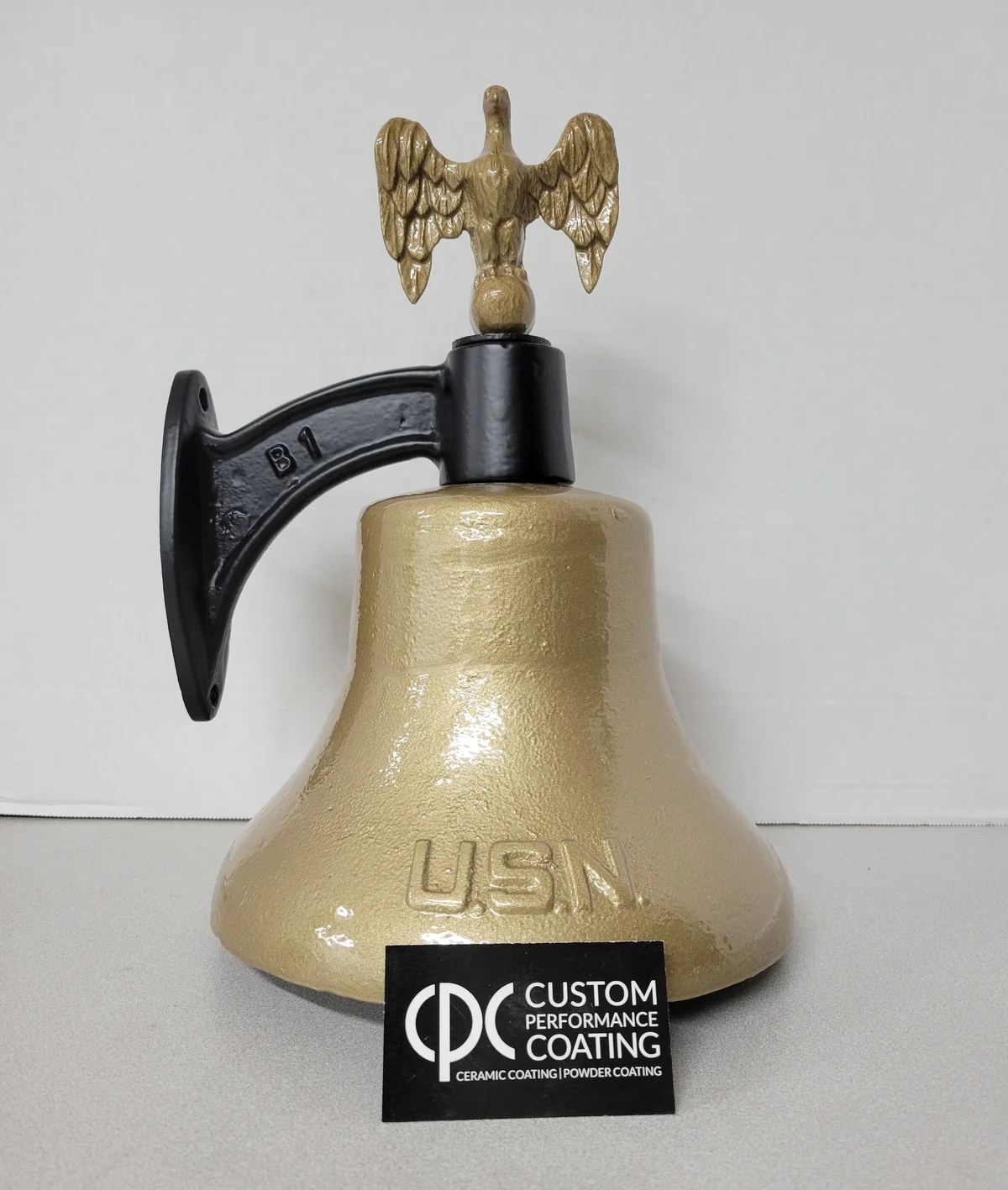
Weather Resistance and Long-Term Appearance
Architectural metal components are often expected to maintain their appearance over extended periods, particularly when they form part of a prominent building exterior. Sunlight, moisture, airborne contaminants, and changing temperatures can gradually affect protective finishes.
Not all powder coatings provide the same level of outdoor durability. Formulations intended for interior use may not offer the ultraviolet resistance or weathering performance required for exposed architectural applications.
Exterior-grade architectural powder coatings are designed to address these concerns, with different products offering varying levels of color retention, gloss retention, corrosion resistance, and overall durability.
The surrounding environment also matters. Metalwork installed beneath a covered entrance may experience different conditions than components positioned on an exposed rooftop or building facade.
Selecting an appropriate coating requires considering the material, expected exposure, and performance requirements of the finished component rather than relying on appearance alone.
Architectural Coating Specifications and
Project Requirements
Construction projects sometimes include finishing specifications established by architects, engineers, or building owners. These requirements may address the type of coating, surface preparation, appearance, expected durability, or compliance with recognized industry standards.
For example, AAMA 2603, AAMA 2604, and AAMA 2605 are commonly referenced performance specifications for organic coatings on architectural aluminum. They address different levels of performance, particularly regarding weathering and durability.
However, specifying an architectural coating does not automatically mean that every powder coating product or application process meets a particular standard. Compliance depends on the coating system, application procedures, testing, and other requirements.
Projects with specific finishing standards should have those requirements reviewed before coating work begins. Confirming the coating’s suitability early can help avoid complications during fabrication, finishing, or installation.
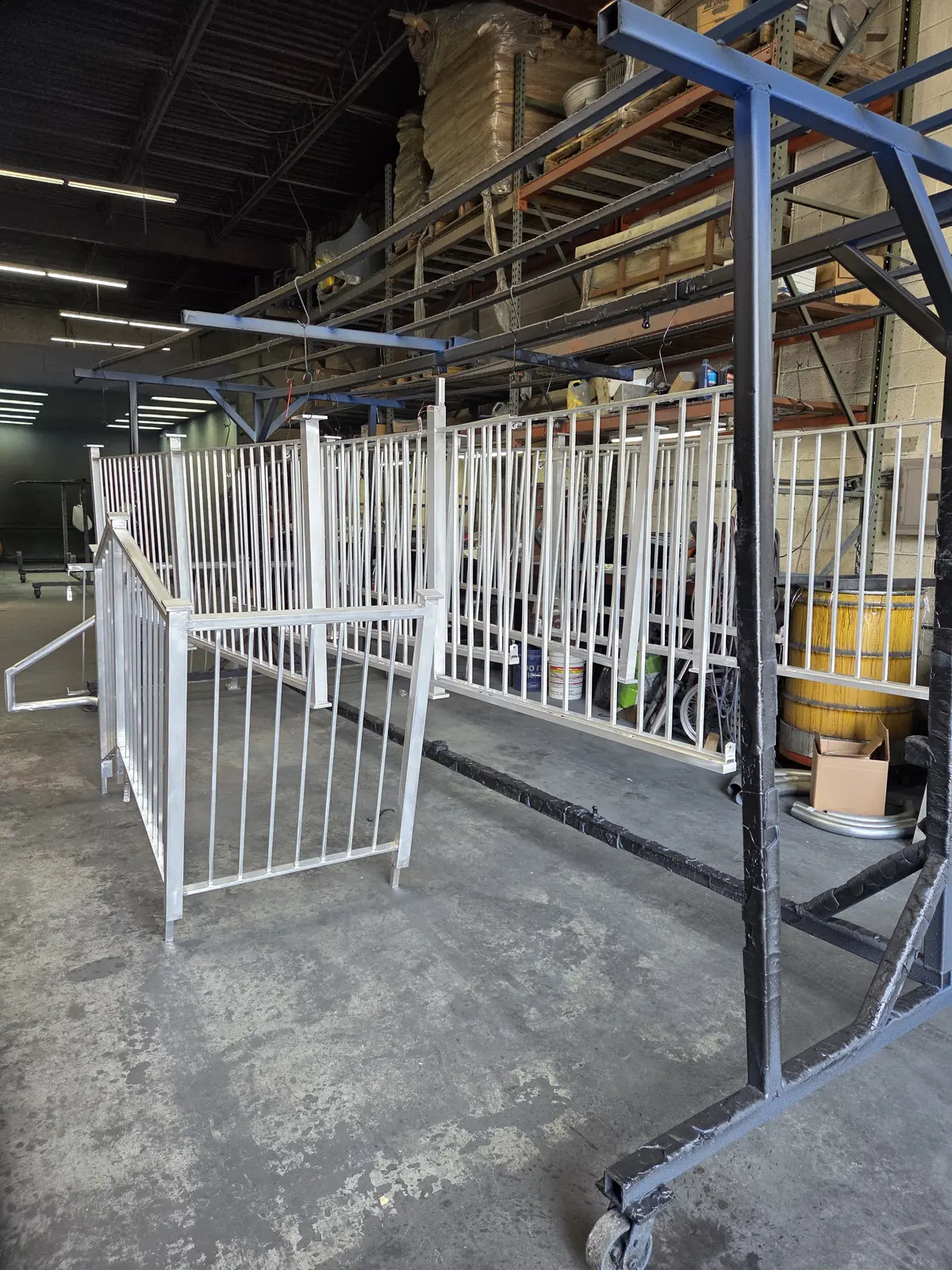
Preparing Architectural Components for Coating
Proper surface preparation is important for architectural components because the finished coating may remain in place for many years. Contamination, oxidation, and unsuitable existing finishes can interfere with adhesion and contribute to premature coating failure.
Preparation methods depend on the substrate, its condition, and the coating requirements. Newly fabricated metal parts may need cleaning and surface treatment, while previously finished components may require removal of deteriorating coatings or corrosion.
Architectural metal components undergo either media blasting or a three-stage wash at Custom Performance Coating to remove contaminants before finishing. Existing coatings can also be stripped when necessary to prepare previously finished metalwork for a new coating.
Because architectural components can differ considerably in size, construction, and material, evaluating each project helps determine the preparation and coating methods that may be appropriate.
Finishing Options for Your Architectural Metalwork
Architectural metal components deserve a finish selected with their appearance, intended function, and installation environment in mind. Proper coating selection can help maintain the visual consistency of a building while providing protection against the conditions its metal surfaces encounter.
Serving Maryland and the Baltimore/Washington, DC area, Custom Performance Coating offers powder coating, ceramic coating, media blasting, and metal refinishing services at competitive prices.
Planning a project involving architectural railings, pavilion beams, or other fabricated metal features? Contact us to discuss your components and finishing requirements. We can review their intended use and help determine an appropriate powder coating solution.